
Let Your Body Drive the Swing
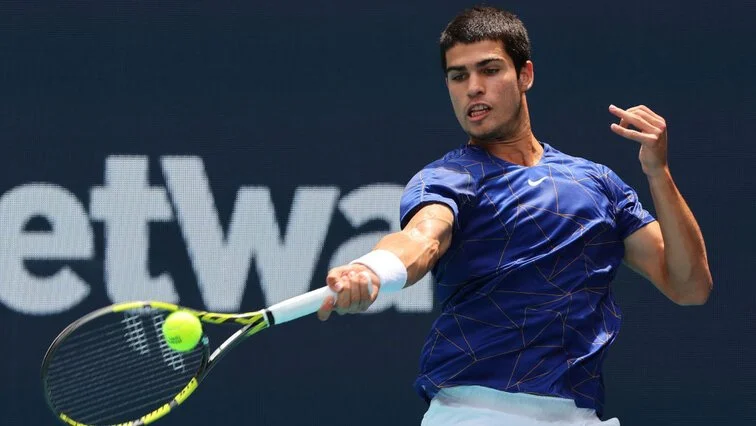
Why a connected, relaxed arm begins with the body.
When we learn to play tennis, much of our attention is directed toward the hand, wrist, and arm. We're taught how to swing the racket, where to position our arm, and what different parts of the stroke should look like.
It's understandable. The racket makes contact with the ball, and the movements of the arm are easy to see. So it seems natural to focus on those parts of the body when learning how to hit.
But this emphasis can lead players to actively manipulate the wrist or tighten the arm as they try to produce the desired stroke. In trying to make the racket do what they want, they can interfere with the natural, connected movement that makes an effective swing possible.
I believe there's a better way to approach the stroke.
Rather than trying to manufacture the swing with the hand and arm, we should understand how the body drives the movement.
Start With the Objective
In my first article, The Net Is the Biggest Obstacle in Tennis, I explained why getting the ball over the net is our first job.
That objective gives us a starting point for understanding the swing.
If we're going to lift the ball over the net, we need to prepare our body and racket to accomplish that task. We get into an athletic position and lower the racket below the level of the incoming ball.
Now we're in a position to make the movement we need.
Notice where our attention is directed. We're not beginning by thinking about what the wrist should do or how to manipulate the racket. We're thinking about what we're trying to accomplish and preparing ourselves to do it.
That distinction matters because the objective helps organize the movement that follows.
The Body Is the Engine
Once we're in the right starting position, we need to initiate the swing.
The legs begin the upward action, and the core plays a central role in generating and organizing the movement. The body is the engine of the swing.
The arm and racket are connected to that engine. They are essential parts of the stroke, but they don't need to operate independently, trying to manufacture the movement on their own.
Think about what happens when you focus primarily on swinging your arm. It's easy to start using the arm to generate the action, adding muscular effort and trying to direct the racket toward the ball.
Instead, I want players to understand how the movement begins with the body and carries through the connected arm and racket.
We establish the starting position, initiate the movement through the body, and allow the arm and racket to respond to that movement.
The intention is still clear: lift the ball over the net and swing straight. But rather than consciously manufacturing every part of the stroke, we allow the body and racket to work together toward those objectives.
The Arm Stays Connected
When I say the arm is connected to the body, I don't mean that the arm does nothing or that it should remain completely relaxed and limp.
The arm is an essential part of the swing. It carries the racket, contributes to the movement, and helps deliver the racket to the ball.
The distinction is that the arm works as part of the body's movement rather than trying to create the swing independently.
When players concentrate too much on what their arm should do, they can introduce unnecessary muscular effort. The arm tightens, the movement becomes less fluid, and the player has more individual actions to coordinate.
Keeping the arm connected allows it to participate in the swing without becoming the primary focus of attention.
The body drives the movement. The arm stays connected. The racket responds.
That's the relationship I want players to understand.
The Wrist Is Passive
One phrase I use frequently when coaching is that the wrist is passive.
That doesn't mean the wrist is locked or rigid. It can move as the stroke unfolds. Passive means that we don't deliberately recruit the wrist to generate the swing.
When players actively try to manipulate the wrist, they can add another layer of conscious effort to a movement that already requires timing and coordination.
Instead, I want them to focus on the body's movement and allow the wrist to respond naturally as part of the connected action of the arm and racket.
This is an important distinction: a body part can move during a stroke without needing to be consciously directed to produce that movement.
The wrist doesn't need to become another task for the player to manage. Our attention is better spent understanding what we’re trying to accomplish, preparing the body and racket, and allowing the movement to unfold.
Don't Confuse the Result With the Instruction
Watch a professional player hit a forehand and you'll see tremendous racket speed, a relaxed arm, and often substantial wrist lag as the racket accelerates toward the ball.
It's tempting to look at those visible features and tell developing players to reproduce them.
But I believe we need to ask a more fundamental question: What produces the movement we're seeing?
A visible feature of an advanced stroke may be the result of how the body, arm, and racket work together. That doesn't automatically mean the player should try to create that feature directly.
This is one of the problems I see with focusing too heavily on what a good stroke looks like. We can end up asking players to reproduce the appearance of a movement without helping them understand the principles that produce it.
I'd rather begin with the objective, establish the right starting position, and help players understand how the body drives the swing while the arm and wrist remain responsive.
As players develop, their strokes will evolve. But the principles behind the movement provide a foundation for that development.
Let the Movement Work Together
Tennis already gives us plenty to think about. We have to read the incoming ball, position ourselves, judge its trajectory, and decide where we want to send it.
If we also try to consciously manage every part of our stroke, we can make the task unnecessarily complicated.
My approach is to simplify the process.
Start with what you're trying to accomplish: lift the ball over the net and swing straight. Prepare your body and racket to do it. Initiate the movement through the body, keep the arm connected, and allow the wrist and racket to respond without unnecessary manipulation.
This doesn't mean technique is unimportant. It means that we should understand the principles behind the technique rather than treating every part of the stroke as a separate movement to manufacture.
The objective gives the swing meaning. The body drives the movement. And the connected action of the body, arm, and racket helps us accomplish the task.
Understand what you're trying to do. Let your body drive the swing. And allow the movement to work together.
That's where better tennis begins.
